GROUP MEMBERS
NUR BADRIYAH 1001024809
BIOWARFARE
KESEGO PORTIA BROOKS 1000921476
LEABANENG TAWE 1000921523
PLEASURE RAMATLHO 1000821337
LAONE MONTSHIWA 1000821266
BIOWARFARE
Biological warfare is the use of harmful microorganisms such as viruses or bacteria by military factions or terrorists against, civilians, opposing militaries, crops or animals. The organisms that are used may work by producing harmful poisons or toxins either before or after they are dispatched.
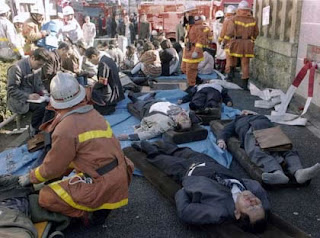
Biological warfare is used in several different ways by a military outfit
or other people with harmful intentions. The most common perception
of the use of biological agents is that they are intended to kill massive
amounts of soldiers and civilians. Less harmful germs could possibly
be distributed among enemy soldiers to make them too sick to fight.
It is also effective to use th microorganisms to kill or damage the food
crops of the enemy for the purpose of cutting off their food supply, and
this can include livestock as well as major plant-based food staple

METHODS OF
1. Wet or Dry Form
Biological agents are non-volatile solids that would be disseminated
either as liquid slurry or a dry powder of freeze-dried organisms or toxin.
Dry powders composed of very small particles tend to have better
dissemination characteristics and have advantages in storage.
2.Contamination of food and water
3.Usage of bombs or bomblets that release the agent by exploding
(generally very inefficient delivery systems), land and sea mines,
pipe bombs, and many other special devices.
4.The use of small rotary-wing vehicles, fixed-wing aircraft fitted
with spray tanks and drones.
BIOWARFARE AGENTS
Figure 1 : Bacillus anthracis- Nonspecific symptoms of fatigue,
myalgia, fever, nonproductive cough, followed by chest pain,
respiratory distress, high fever, pneumonia.
Other forms: Intest./Cutan. Anthrax (not as BW-Agents).
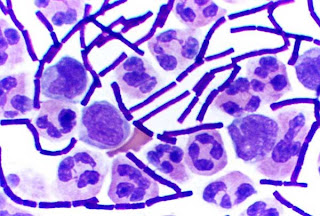
figure 2 : Yersinia pestis- Acute: high fever, headache,
productive cough blood-tinged sputum, vomiting.
Hematogenous dissemination: sepsis, shock, meningitis.
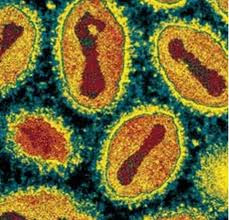
figure 3 : Smallpox Variolavirus -Acute: malaise, fever, headache,
vomiting. Erythematous rash spread centrally to the trunk,
quickly progresses to papules/pustular vesicles (centrifugal distribution).
Pustules → scabs after 8 - 14 days.
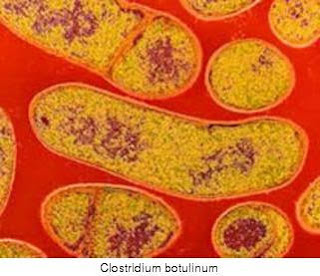
figure 4 : Botulism Clostridium botulinum- Blurred vision, dilated pupils,
photophobia, difficulty with speaking/swallowing, (severe) muscle paralysis
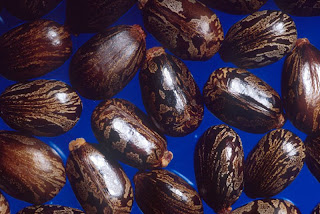
figure 5 :Ricin-Intoxication
Ricin Fever, chest tightness, nausea, gastrointestinal ailment, resp.
Ricin Fever, chest tightness, nausea, gastrointestinal ailment, resp.
failure, pulmonary edema
THE MAIN BIOWARFARE AGENT
What is anthrax ?
Anthrax is one of famous biowarefare caused by exposure to the spores
How does it spread?
This anthrax spore can be produce through in vitro and turns to
biological weapon. Anthrax does not spread directly but through spore that
produce by anthrax.
How people get infected with anthrax?
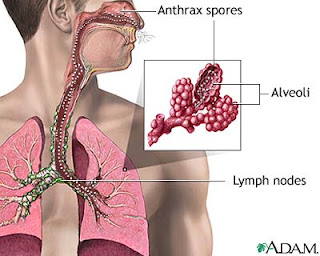
Entering the lungs as an aerosol (the inhalational route)
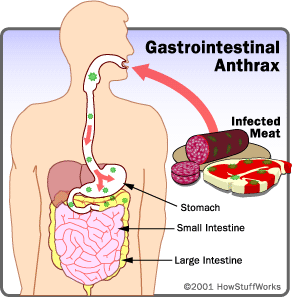
Anthrax being ingested in food or water (the oral route)
Vaccination is the best preventation. If u travelling to countries, which
related to agricultural. The vaccine is reported to be 93% effective
in protecting against anthrax infection from skin contact.
ADVANTAGES OF BIOWARFARE
· The potential deadly or incapacitating effects on a susceptible population
· The self-replicating capacity of some biological agents to continue proliferating in the affected individual and, potentially, in the local population and surroundings
· The relatively low cost of producing many biological weapons.
· The insidious symptoms that can mimic endemic diseases.
· The difficulty of immediately detecting the use of a biological agent, owing to the current limitations in fielding a multiagent sensor system on the battlefield, as well as to the prolonged incubation period preceding onset of illness (or the slow onset of symptoms) with some biological agents.
· The sparing of property and physical surroundings (compared with conventional or nuclear weapons).
· The effects of temperature, sunlight, and desiccation on the survivability of some infectious organisms
· The environmental persistence of some agents, such as spore-forming anthrax bacteria, which can make an area uninhabitable for long periods
· The possibility that secondary aerosols of the agent will be generated as the aggressor moves through an area already attacked
· The unpredictability of morbidity secondary to a biological attack, since casualties (including civilians) will be related to the quantity and the manner of exposure
· The relatively long incubation period for many agents, a factor that may limit their tactical usefulness.
The public’s aversion to the use of biological warfare agents
CONCLUSION
All in all biological warfare is not environmentally friendly because
destroys plants, impairers humanity and its effects are severe
and can last for a long time. Adherence to the Biological and Toxin
Weapons Convention, reinforced by confidence-building measure
is indeed, an important and necessary step in reducing and
eliminating the threats of biological warfare and bio terrorism.
this video is more based on one of the most famous agent
of biowarfare
which is bacillus anthrax.
REFERENCES
Thomas W. McGovern, MD, MAJ, MC,George W. Christopher, LTC, USAF, MC, http://www.telemedicine.org/biowar/biologic.htm
Edward. M. Eitzen, Jr, M.D., M.P.H., Facep, Faap,Accessed from http://leitl.org/docs/biowar/Ch-20.pdf